
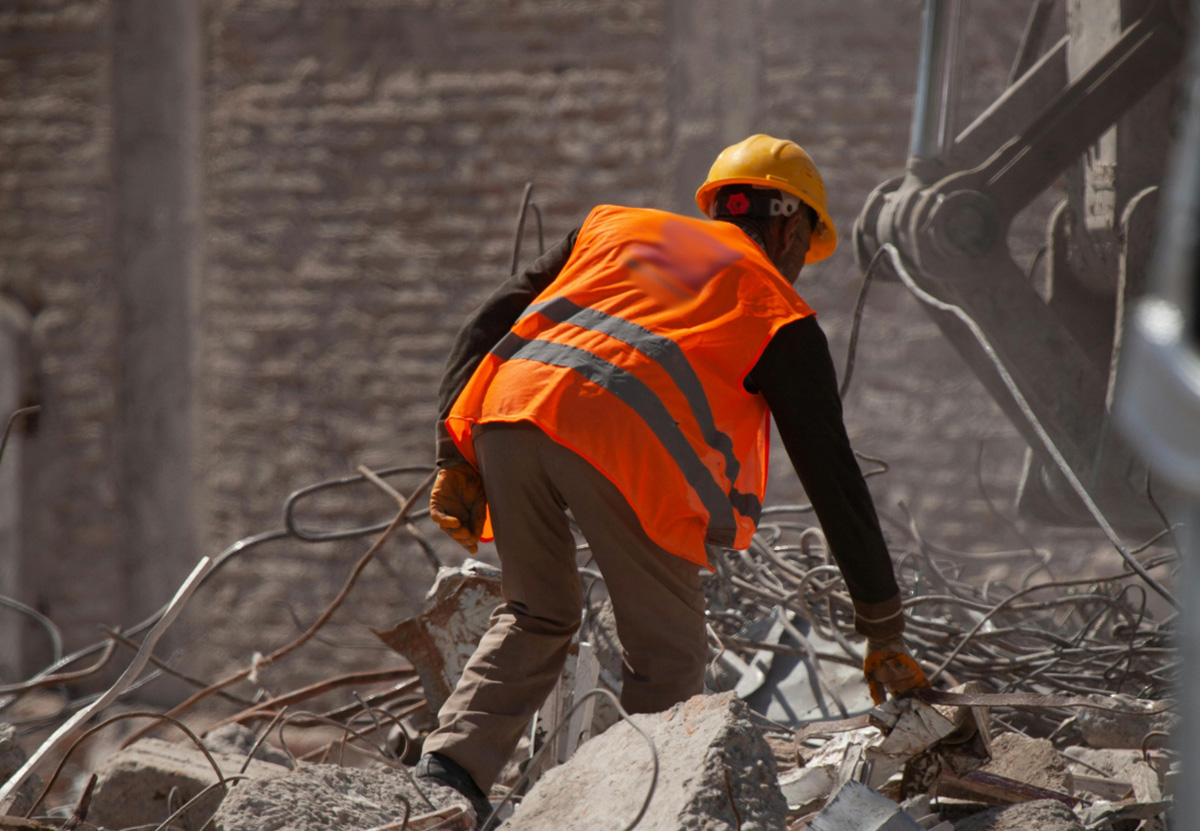
Rebuilding after a wildfire is never just about putting walls back up—it’s about restoring safety, resilience, and confidence for the people who call a place home. In Pacific Palisades, the path forward after devastating fires raises critical questions: How do we rebuild smarter? How do we protect homes against future risks? And how can engineering decisions today support long-term recovery tomorrow?
As communities move from debris removal to full-scale rebuilding homes, the complexity of the process quickly becomes clear. Homeowners, developers, and design teams must navigate evolving codes, tighter timelines, and heightened expectations for safety and performance. This is where thoughtful planning—and the right technical expertise—can make all the difference.
At the heart of successful home restoration is MEP engineering. Mechanical, electrical, and plumbing systems aren’t just behind-the-scenes components; they shape how a rebuilt home functions, protects its occupants, and adapts to future challenges. From coordinating with architecture and construction teams to designing systems that meet today’s resilience standards, MEP decisions directly impact the speed, cost, and quality of a rebuild.
In this post, we’ll explore how strategic MEP Engineering and MEP Design can support fire rebuild efforts—helping projects move forward efficiently while strengthening the foundation for long-term community rebuilding. If you’re planning a rebuild or supporting one, understanding this role is a powerful first step toward building back better.
Assessing Post-Fire Conditions and Rebuild Priorities
Before any plans are drawn or permits submitted, every successful rebuild begins with one essential step: understanding what’s truly left behind. In Pacific Palisades, fire damage is rarely uniform. Some structures may appear salvageable, while critical systems hidden behind walls or beneath slabs have been compromised beyond repair. The question homeowners often ask is, Where do we even start?
The transition from emergency response to rebuilding homes starts with a clear-eyed assessment—one that looks beyond visible damage and focuses on long-term safety and performance. After debris removal is complete, the real work begins: evaluating what can be reused, what must be replaced, and where rebuilding presents an opportunity to do better than before.
A comprehensive post-fire assessment typically involves:
- Reviewing existing mechanical, electrical, and plumbing systems for heat, smoke, and water damage
- Identifying outdated or non-compliant components that no longer meet current codes
- Understanding how new regulations and fire-rebuild ordinances may impact the scope of work
This stage is also where coordination matters most. Rebuilds move faster—and with fewer surprises—when engineers work closely with architects, contractors, and expeditors who understand local approval processes. Together, they help translate damage reports into actionable design strategies, aligning technical requirements with realistic construction timelines.
Just as important, this early phase sets the tone for the entire project. Are you simply replacing what was lost, or are you taking this moment to improve resilience, efficiency, and reliability? Asking that question early allows rebuild teams to prioritize smarter solutions—ones that support not just a single property, but the broader effort of restoring confidence and stability across the community.
By starting with a thoughtful, system-level evaluation, rebuild projects gain clarity, momentum, and a stronger foundation for every decision that follows.
Rebuilding after a fire is a complex journey, but the path forward becomes clearer with the right strategy and expertise in place. From the earliest post-fire assessments to the coordination of design and approvals, thoughtful MEP planning plays a critical role in rebuilding homes that are safer, more resilient, and better suited for the future.
The key takeaway is this: fire recovery isn’t just about restoration—it’s an opportunity to improve performance, compliance, and long-term reliability. When engineering decisions are made early and collaboratively, rebuild projects move more efficiently, adapt to evolving regulations, and deliver lasting value to homeowners and the surrounding community.
Looking ahead, the most successful rebuilds in Pacific Palisades will be those that prioritize smart design, cross-disciplinary coordination, and forward-thinking engineering solutions. If you’re planning a rebuild or supporting one, now is the time to engage experienced MEP professionals who understand the demands of post-fire reconstruction and can help turn recovery into renewal.