
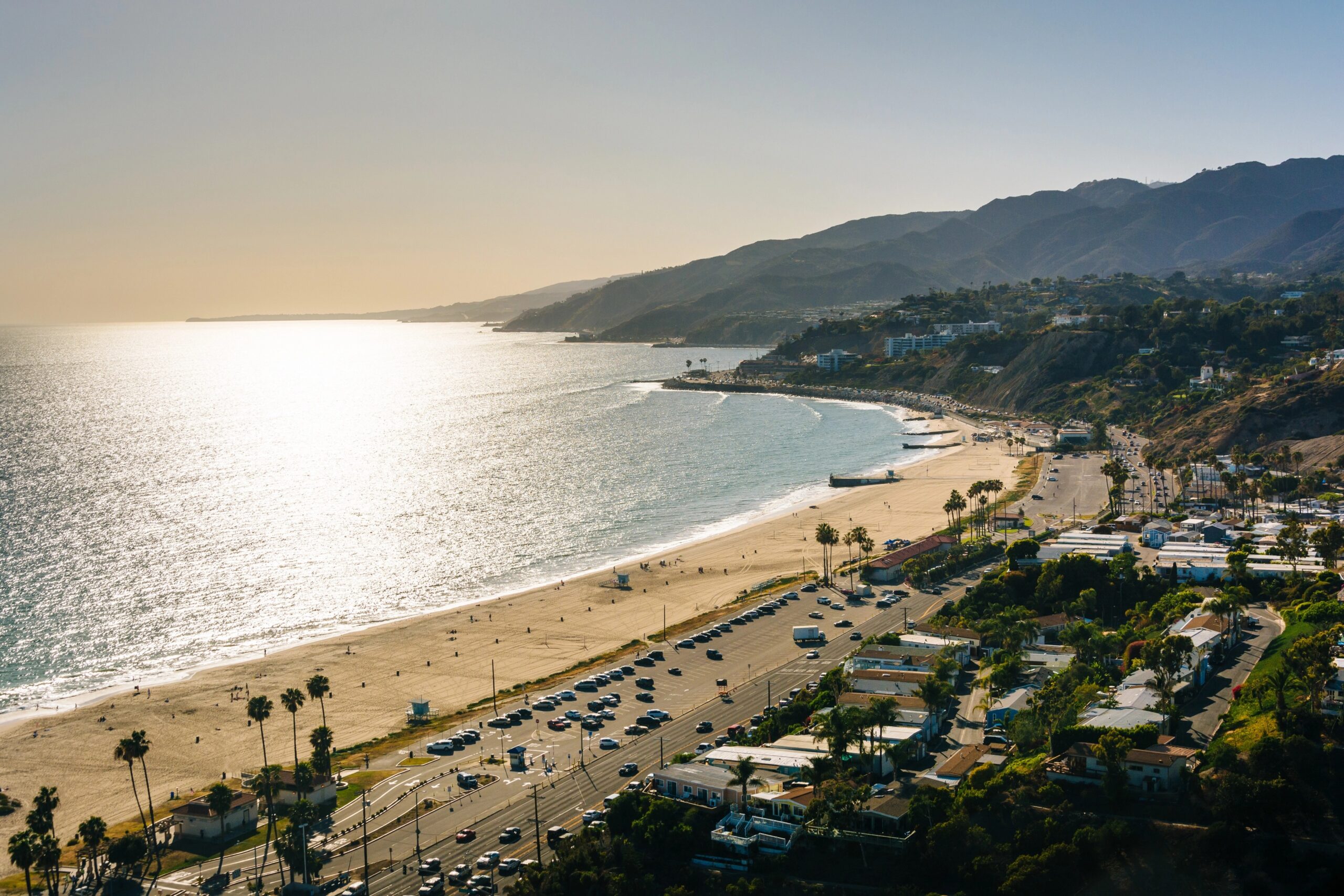
In January 2025, the landscape of the Palisades changed forever. As we look at the scars left by the wildfires, a vital question emerges: How do we move beyond simply replacing what was lost to creating a blueprint for true resilience? If you are a homeowner, developer, or resident, you know that rebuilding is about more than just aesthetics—it is about engineering a future that can withstand the increasing environmental challenges of the 21st century.
Have you ever wondered how a home could actually defend itself when the grid goes down or the air turns thick with smoke?
In this deep dive, we explore the cutting-edge MEP (Mechanical, Electrical, and Plumbing) engineering strategies that are currently defining the infrastructure of the new Palisades. We’re moving past traditional construction to embrace high-tech sustainability and resistance, turning modern houses into self-sufficient sanctuaries. From “smart” ventilation that breathes for you during a fire to microgrids that keep your lights on when the neighborhood goes dark, we are witnessing a revolution in how we think about our living spaces.
We’ve consulted the latest frameworks in urban planning, including insights often discussed by institutions like NYU Wagner, to understand how a single home’s design contributes to the safety of the entire community.
Join us as we break down the essential technical upgrades you need to know for 2026. Whether you are deep in the permit process or just beginning to imagine your new front door, this guide will show you how modern development is merging safety with sophistication. Are you ready to build a home that is as smart as it is beautiful?
When the grid goes dark during a high-wind event in the Palisades, does your home stay bright, or are you left searching for flashlights in the smoke? In 2026, the answer depends entirely on your electrical infrastructure.
We are moving away from the “all-or-nothing” relationship with the utility grid and toward a model of local resilience. By integrating advanced electrical MEP (Mechanical, Electrical, and Plumbing) design, you aren’t just rebuilding a house; you are commissioning a private power plant.
Building Your Personal Power Sanctuary
Traditional homes are passive consumers of energy, but your new build can be a proactive guardian. Here is how modern development is reshaping our relationship with electricity:
- Islandable Nanogrids: Have you heard the term “nanogrid”? It is a sophisticated system of solar panels and battery storage (like the Tesla Powerwall 3) that allows your home to “island” or disconnect from the LADWP grid. This ensures you have power for medical devices, refrigeration, and security even during prolonged Public Safety Power Shutoffs (PSPS).
- V2H (Vehicle-to-Home) Integration: Your electric vehicle is no longer just for commuting. In 2026, bidirectional chargers, such as the GM Energy V2H bundle—allow you to use your car’s massive battery to power your entire home for days during an emergency.
- Combo Panels & Undergrounding: To support the community effort of moving power lines underground, LADWP now requires “combo panels.” These allow for a seamless transition from old overhead wires to new, fire-resistant underground service.
Smart Load Management: A Game of Priorities
During a crisis, you don’t need to power your pool heater, but you definitely need your HVAC filtration system. Smart electrical panels now use AI to automatically manage your “critical loads”:
- Level 1 (Life Safety): Fire pumps, smoke filtration, and emergency lighting.
- Level 2 (Essential): Refrigerator, Wi-Fi, and well pumps.
- Level 3 (Comfort): Kitchen appliances and general outlets.
This intelligent infrastructure ensures that every drop of stored energy is used where it matters most, extending your battery life by up to 40% during an outage.
The Economic and Engineering Advantage
Why invest so heavily in these systems? Beyond the peace of mind, there is a clear financial argument. Organizations like NYU Wagner emphasize that resilient urban planning leads to higher property values and lower long-term costs. In the Palisades, many homeowners are finding that a “Super Green” rebuild, one that is 100% electric and solar-integrated, not only meets the latest sustainability mandates but pays for itself in avoided utility bills and insurance premiums within a decade.
Are you ready to stop worrying about the next “Red Flag Warning” and start feeling empowered by your own home?
As we move through 2026, the Palisades Rebuild has evolved from a recovery effort into a masterclass in modern resilience. Whether you are looking at the fire-hardened homes of the Pacific Palisades or the historic restart of the Nuclear Plant, the lesson is the same: the “old way” of building is no longer an option in an era of shifting environmental challenges.
Key Takeaways for 2026
- Engineering as Defense: MEP systems are the new front line. From resistance against embers with smart-vent technology to plumbing systems that act as active fire suppression, engineering now dictates a home’s survival.
- Infrastructure Independence: The rise of microgrids and V2H (Vehicle-to-Home) technology means that the community is becoming less reliant on the central grid, ensuring that rebuilding also means reinforcing local power security.
- Sustainability is the Standard: Driven by mandates and high-end market demand, the shift to all-electric, net-zero homes is now the default path for new development in the Palisades.
- Streamlined Recovery: With Mayor Bass’s Executive Actions fast-tracking permits, the barrier to entry for innovative, resilient designs has never been lower, allowing for a faster transition to a safer urban planning model.
Future Outlook: A New Standard of Living
The infrastructure being laid today in the Palisades, undergrounding of utility lines and the integration of digital twin simulations is creating a 20-year safety net for the region. As we look toward the 2030s, the Palisades will likely serve as the global blueprint for “Wildland-Urban Interface” (WUI) living: a place where luxury and high-performance engineering coexist with a volatile natural environment.
Build for the Future, Not the Past
If you are at the start of your rebuilding journey, don’t just aim for a “like-for-like” replacement.
- Consult early: Engage MEP specialists who understand the 2026 California Building Codes and the latest in fire-resilient tech.
- Invest in Resilience: Prioritize high-performance systems over cosmetic upgrades. A smart panel or a backup battery might not be as visible as a marble countertop, but it is what will protect your family and your investment when it matters most.
The Palisades is coming back stronger, smarter, and safer. Are you ready to be part of the most resilient community in California?
Ready to future-proof your home with resilient MEP design? Connect with our experts now and start building smarter today.