
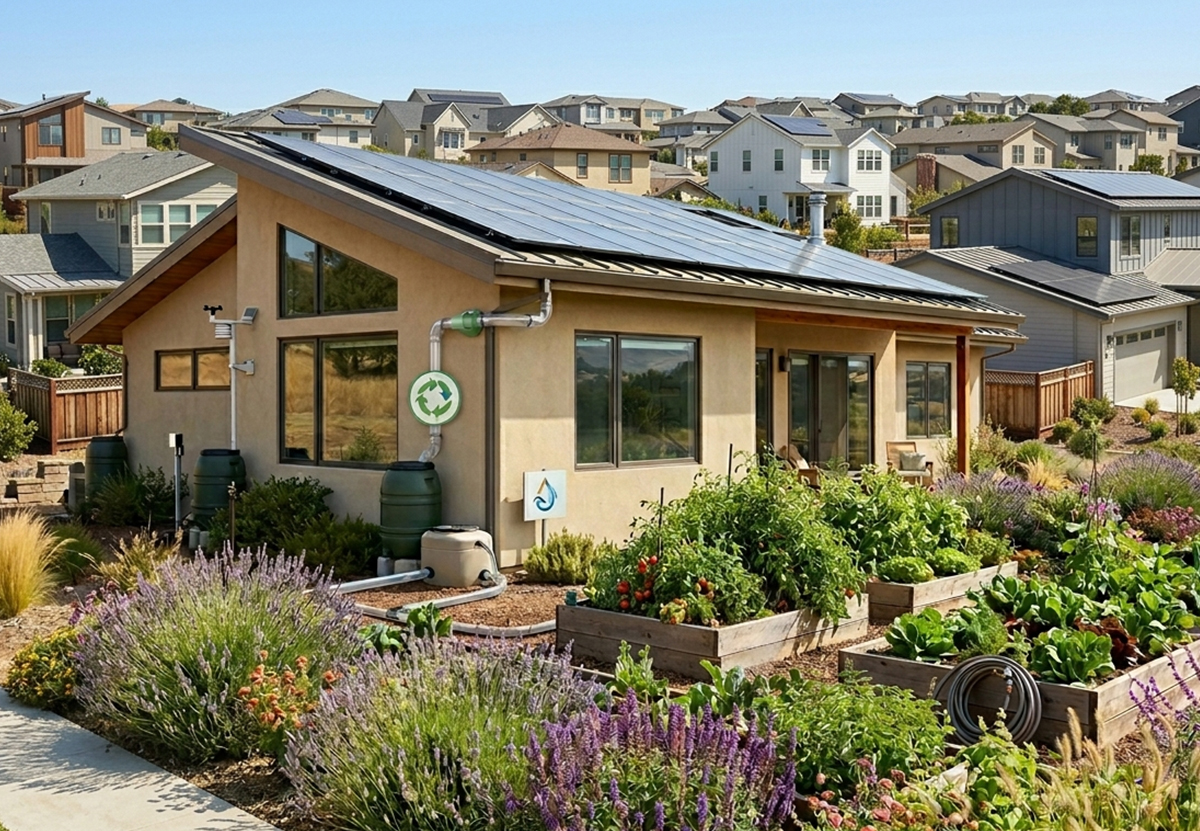
Have you ever looked at your garden during a scorching California summer and felt a pang of guilt as the sprinklers whirred to life? You aren’t alone. As we navigate the intensifying cycles of drought, many of us are rethinking how we value every single drop that enters our homes. It’s no longer just about shorter showers; it’s about a fundamental shift in how we manage our resources.
This shift has sparked a massive demand surge for a solution that was once considered a niche DIY project: greywater systems. But why now?
Think about the sheer volume of water from your laundry, showers, and bathroom sinks that simply disappears down the drain. What if you could intercept that water and give it a second life in your landscape? By transitioning to these systems, we aren’t just reacting to a crisis; we are investing in long-term sustainability.
In this post, we’ll explore how you can take control of your home’s environmental impact and turn a challenge into a flourishing, water-wise sanctuary. Are you ready to see how a few plumbing adjustments can lead to a lifetime of water conservation?
As we face the reality of a changing climate, have you ever stopped to wonder how our local infrastructure handles the pressure of a prolonged drought? It’s a question that more homeowners and developers are asking themselves as they look for ways to future-proof their properties. In California, this isn’t just a theoretical concern, it’s a daily reality that is fundamentally reshaping how we design our living spaces.
Because traditional water sources are becoming less predictable, we are seeing a significant demand surge for alternative on-site solutions. The shift is clear: we are moving away from the “use once and discard” mentality toward a more circular approach to resource management.
Why Greywater Systems Are the New Standard
If you’ve been following the latest trends in sustainable building, you’ve likely noticed that greywater systems are no longer just for off-grid enthusiasts. They are becoming a staple in modern urban planning for several reasons:
- Smart Diversion: By intercepting water from your laundry and showers, you can provide a consistent source of hydration for your landscape without touching the potable water supply.
- Grid Resilience: Reducing the load on municipal sewer systems helps prevent overflows and lowers the energy required for large-scale water treatment.
- Regulatory Support: New building codes are increasingly making it easier, and in some cases, mandatory to include basic greywater “stub-outs” in new constructions.
But how does this affect you personally? Think of it as gaining “water independence.” Instead of feeling restricted by the next round of local water mandates, you can maintain a lush, vibrant garden because you’ve optimized the water you’ve already paid for.
By integrating these systems, we aren’t just reacting to a dry spell; we are building a foundation for sustainability that lasts for decades. Are you ready to look at your plumbing as a source of growth rather than just a drain on your finances?
As we look toward the future of our landscapes and communities, it’s clear that the way we value every drop of water is undergoing a radical transformation. We’ve seen how shifting away from a “single-use” mindset can turn a household staple like a washing machine into a vital tool for environmental resilience. By embracing greywater systems, we aren’t just surviving the next drought; we are actively participating in a movement toward true sustainability.
Key Takeaways
- Proactive Resilience: Transitioning to recycled water solutions helps your home remain lush and vibrant even when California faces strict municipal water restrictions.
- Economic Efficiency: Reducing your reliance on potable water for irrigation leads to a significant decrease in monthly utility costs and long-term property maintenance.
- Positive Environmental Impact: Every gallon reused on-site is a gallon saved from energy-intensive treatment plants, directly lowering your home’s overall carbon and water footprint.
- Community Strength: When we prioritize water conservation at the individual level, we reduce the collective strain on our shared infrastructure during a demand surge.
The path forward is one of innovation and intentionality. As building codes evolve and technology becomes more accessible, integrating these systems will likely shift from a sustainable “upgrade” to a standard feature of the modern home.
Are you ready to stop letting your resources wash away? Whether you are starting with a simple laundry-to-landscape setup or a fully integrated smart system, the best time to start building your water-independent future is today. Your garden and the planet will thank you for it.
