
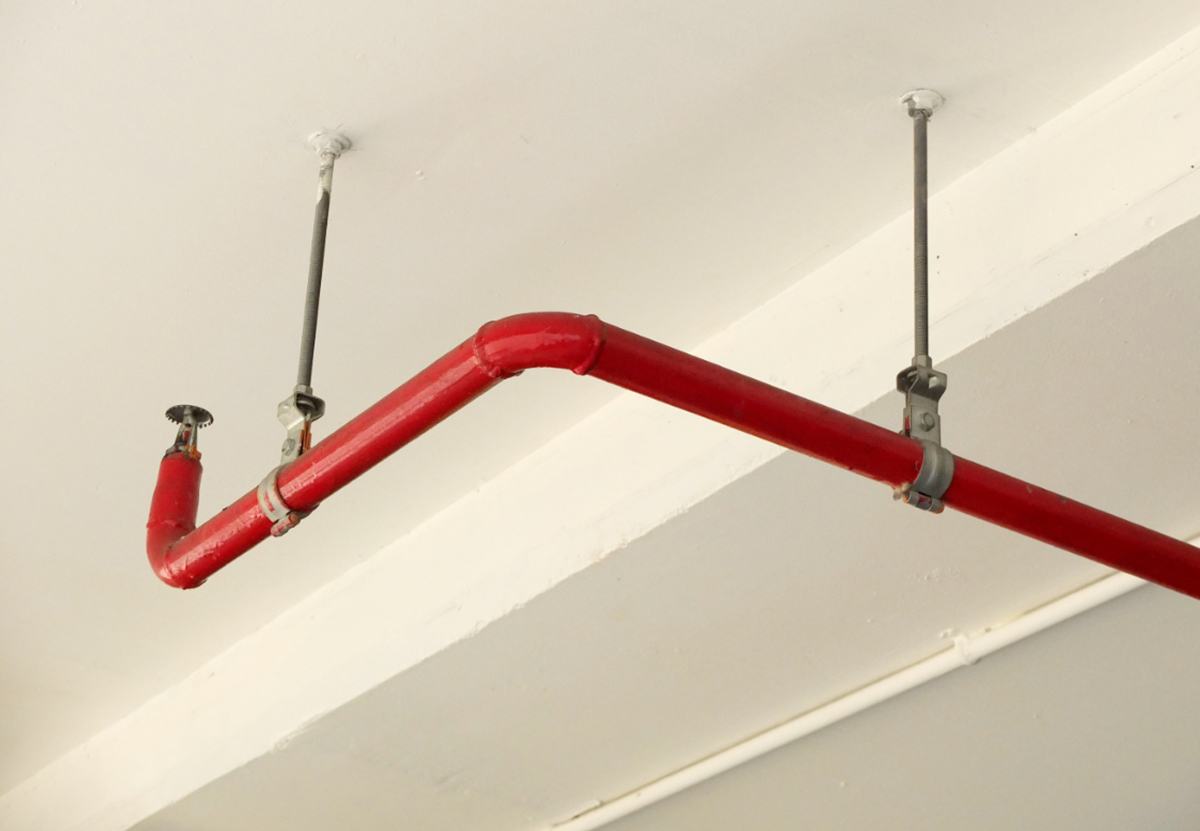
Fire emergencies can happen when we least expect them but how prepared is your building when every second counts? Whether you manage a commercial space, own a home, or oversee large facilities, fire sprinklers play a far greater role than most people realize. These systems aren’t just metal pipes hidden in the ceiling; they’re one of the most effective tools for fire protection, life safety, and long-term prevention.
Think about it: What if a small spark could be controlled before it grows into a disaster? What if a system could automatically respond, even when no one is around? Fire sprinklers are designed to do exactly that, reducing intense heat, controlling flames, and minimizing property damage before emergency responders even arrive.
In this blog, we’ll explore why fire sprinklers matter, how they work, and the critical role they play in keeping people and properties safe. Whether you’re looking to strengthen your building’s safety measures or simply want a deeper understanding of modern fire protection, this guide will walk you through the essentials in a clear and practical way.
Let’s dive in and uncover why these systems are one of the smartest investments any building can make.
How Fire Sprinklers Work as a First Line of Defense
When a fire breaks out, every moment matters but what actually happens in those first few critical seconds? This is where fire sprinklers prove their value. Far from being passive ceiling fixtures, they act as your building’s fastest and most reliable form of fire protection, responding automatically long before human intervention is possible.
Unlike smoke alarms that simply alert you, sprinkler systems are engineered to take action. They react to heat, not smoke, which means they activate only when the temperature in a specific area reaches a dangerous threshold. This targeted response prevents unnecessary water release while ensuring rapid control exactly where the fire starts.
Here’s what makes fire sprinklers such an effective first line of defense:
- Heat-sensitive activation ensures the system responds at the moment flames become hazardous.
- Localized suppression minimizes damage to surrounding spaces.
- Consistent, automatic function provides round-the-clock protection even when the building is empty.
- Reduced strain on emergency response teams, as the fire is often controlled or fully extinguished before firefighters arrive.
Think of it this way: while people are evacuating and emergency teams are en route, your sprinklers are already working to contain the danger. That’s the kind of built-in safety every property needs.
By understanding how these systems function, you can better appreciate why they’re considered essential, not optional, components of modern fire protection strategies.
Why Investing in Fire Sprinklers Strengthens Your Overall Safety Strategy
As you think about your building’s long-term resilience, it’s worth asking: Are you relying on reactive measures, or proactive protection? Fire sprinklers fall firmly into the second category. They don’t wait for disaster to escalate, they stop it at the source, giving you confidence that your property and the people inside are safeguarded around the clock.
What makes this investment so impactful? It goes beyond simply meeting building codes or satisfying regulations. Fire sprinklers enhance everyday safety by providing a dependable layer of defense that supports both prevention and rapid response. When paired with smart planning and regular maintenance, these systems create a strong foundation for a safer environment.
Consider the long-term value you gain:
- Lower risk of severe property damage, helping operations recover quickly.
- Increased life safety, contributing to peace of mind for occupants and visitors.
- Potential insurance advantages, as many providers recognize the reduced risk.
- Compliance confidence, ensuring your building meets required standards without stress.
So as you wrap up this guide, take a moment to evaluate your current fire protection approach. Are your systems doing enough? Are you confident in how your building will respond when it matters most?
Fire sprinklers aren’t just equipment, they’re an essential part of a thoughtful, responsible safety strategy. Investing in them today means investing in a safer, more resilient tomorrow.
Key Takeaways
Fire sprinklers offer far more than compliance, they deliver fast, automatic fire protection that can save lives, reduce property damage, and strengthen overall building safety. By understanding how these systems work and why they matter, it becomes clear that they’re one of the most effective investments you can make for long-term resilience. Pairing reliable systems with consistent maintenance and awareness ensures your building is always ready when it counts.
Looking ahead, buildings will continue adopting smarter, more responsive fire protection technologies. Staying informed and proactive ensures you’re not just keeping up with regulations, you’re setting a higher standard for safety and prevention.
If you haven’t reviewed your fire sprinkler system recently, now is the perfect time. Assess your current setup, schedule a professional inspection, or explore upgrades that can enhance your protection. A safer future starts with the choices you make today.
