
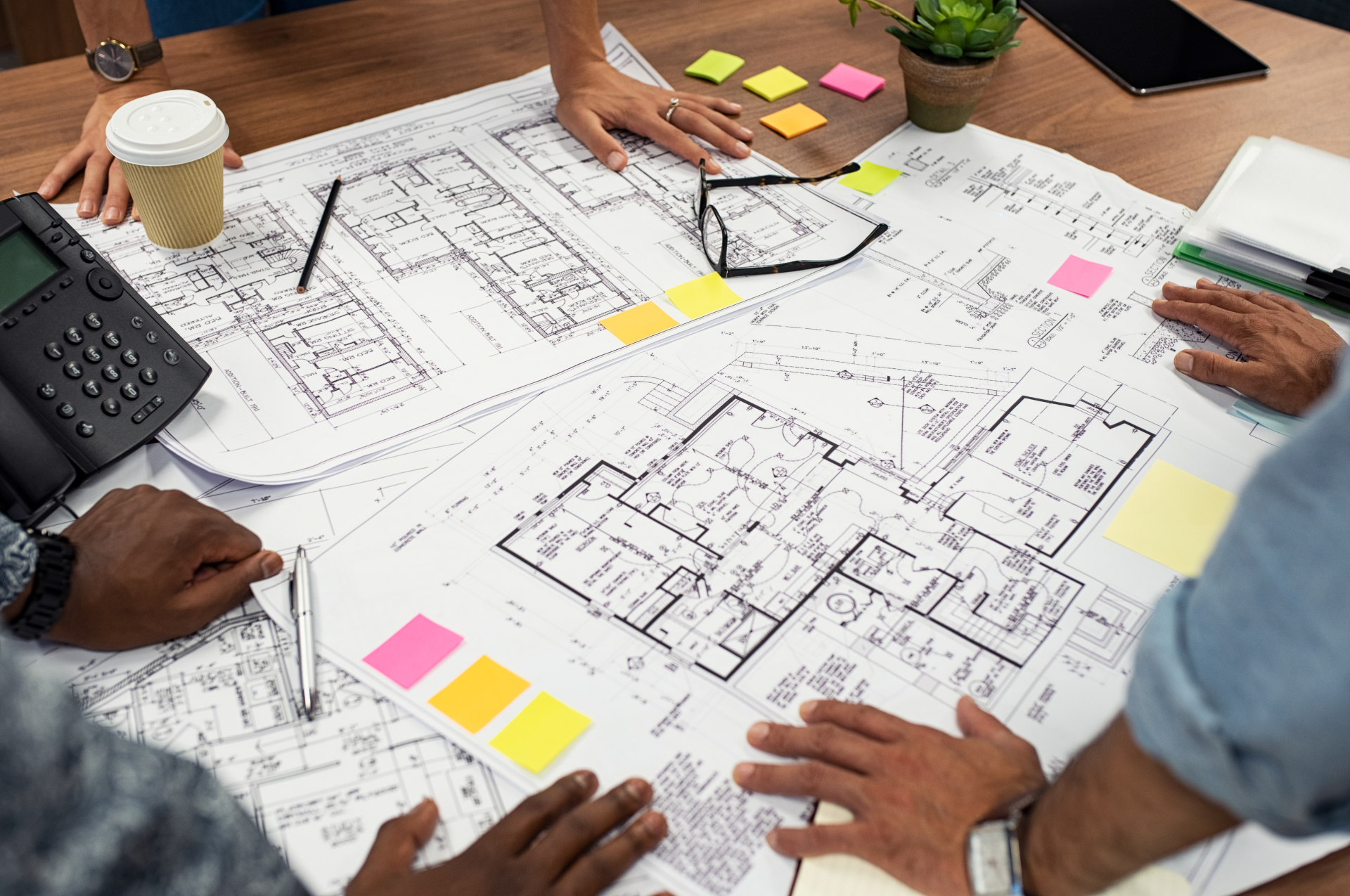
Every successful commercial construction project begins with a clear vision, thoughtful planning, and strong collaboration among the design team. While architectural concepts often receive the most attention during the early stages of development, mechanical, electrical, and plumbing (MEP) engineering plays an equally important role in determining how a building will function, perform, and operate for decades to come. From maintaining occupant comfort and delivering reliable electrical power to supporting plumbing infrastructure, fire protection, and energy efficiency, MEP systems are fundamental to nearly every aspect of a building’s success.
Because these systems are integrated throughout the structure, they cannot simply be added after major architectural and structural decisions have already been made. Mechanical rooms require adequate space, electrical distribution influences equipment locations, plumbing systems affect floor plans, and utility pathways must be coordinated with structural elements. When MEP design is delayed until later phases of a project, engineers often have fewer options available, making it more difficult to optimize system layouts and increasing the likelihood of coordination conflicts during construction.
Early MEP planning allows project teams to make informed decisions while flexibility still exists. By involving experienced consulting engineers from the beginning, owners, architects, developers, and contractors can evaluate building systems alongside architectural and structural concepts instead of treating them as separate disciplines. This collaborative approach helps improve constructability, reduces the need for redesign, and supports more efficient buildings that continue delivering value long after construction is complete.
MEP Systems Influence Every Part of a Building
Mechanical, electrical, and plumbing systems extend throughout virtually every area of a commercial building. HVAC equipment requires carefully planned mechanical spaces and duct routing, electrical distribution impacts room layouts and equipment locations, plumbing systems influence floor plans and vertical shafts, and fire protection infrastructure must be coordinated with both architectural and structural elements. Because these systems occupy much of the same physical space, they cannot be designed independently without affecting one another.
A single design change can influence multiple engineering disciplines. Relocating an electrical room may require revisions to conduit routing, structural framing, and nearby mechanical equipment. Likewise, adjustments to ceiling heights or floor layouts may require ductwork, piping, and electrical systems to be redesigned. These interconnected relationships demonstrate why MEP engineering should be considered a core part of the overall design process rather than a separate phase that follows architectural planning.
When MEP engineers participate early, they can work alongside architects and structural engineers to integrate building systems into the overall design. This proactive coordination helps preserve design flexibility, improve space utilization, and reduce the likelihood of costly modifications after construction documents have already been developed.
Better Coordination Reduces Construction Conflicts
Modern commercial projects depend on close collaboration between multiple disciplines. Architects, structural engineers, civil engineers, contractors, and MEP engineers each contribute specialized expertise that must be coordinated throughout the design process. When communication between these teams occurs early and consistently, many potential construction issues can be identified before they affect the project schedule or budget.
One common example involves ceiling coordination. Mechanical ductwork, electrical conduit, plumbing lines, fire sprinkler piping, and structural framing often compete for limited overhead space. If each discipline designs independently, contractors may discover conflicts only after construction has begun, requiring field modifications, redesigns, or installation delays. Resolving these issues during construction is significantly more disruptive than addressing them during design, when adjustments can often be made quickly and with minimal cost.
Early coordination meetings, detailed engineering reviews, and collaborative design workflows allow project teams to identify these conflicts before construction documents are finalized. This results in clearer drawings, improved constructability, fewer requests for information during construction, and a smoother installation process for every trade involved. Rather than reacting to unforeseen conditions in the field, project teams can move forward with greater confidence that building systems have been designed to work together efficiently.
Early Design Helps Control Construction Costs
Many construction cost increases are not the result of material price fluctuations or unforeseen site conditions. Instead, they occur because important engineering decisions are postponed until later stages of design, when changes become more difficult and expensive to implement. Once architectural layouts, structural systems, and permitting documents have been substantially completed, even relatively small revisions to MEP systems can trigger a series of redesigns across multiple disciplines.
Early MEP engineering gives project teams the opportunity to evaluate different system configurations, equipment selections, and layout options before construction begins. Engineers can perform load calculations, review equipment requirements, and coordinate utility pathways while there is still flexibility to make informed decisions. This process often helps identify practical solutions that balance performance, constructability, energy efficiency, and project budgets.
For example, a developer planning a new commercial office building may initially select one HVAC configuration based on preliminary assumptions. Through early engineering analysis, the design team may determine that an alternative system better aligns with the building’s occupancy, operational goals, and long-term maintenance strategy. Evaluating these options during design is far more cost-effective than replacing equipment or modifying infrastructure after construction has already begun.
Thoughtful planning during the early stages of a project helps reduce change orders, minimize costly redesigns, and create a more predictable construction process for owners, contractors, and the entire project team.
Project Schedules Benefit From Early Planning
Construction schedules rely on careful sequencing across multiple trades, and delays affecting one discipline often create ripple effects throughout the entire project. Mechanical, electrical, plumbing, structural, and architectural work must progress in a coordinated manner, making early engineering planning essential for maintaining project momentum. When MEP systems are fully developed before construction begins, contractors can better understand installation requirements, coordinate procurement, and sequence work more efficiently.
Well-coordinated construction documents also reduce requests for information, design clarifications, and unexpected field changes that can slow progress. Instead of pausing work while engineers resolve conflicts discovered during installation, contractors can proceed with greater confidence that building systems have already been coordinated. This proactive approach helps create more predictable schedules, minimizes disruptions, and supports a smoother construction process from groundbreaking through occupancy.
Energy Efficiency Starts During Design
Long-term building performance is determined long before occupants move into the space. Decisions involving HVAC system selection, lighting design, electrical distribution, plumbing fixtures, ventilation strategies, and building controls all influence future energy consumption and operating costs. Waiting until later stages of design to evaluate these systems may limit opportunities to improve efficiency without requiring significant redesign.
By involving MEP engineers early, project teams can evaluate equipment options, perform energy analyses, and coordinate system layouts that support both operational goals and applicable energy codes. In California, this often includes early consideration of Title 24 requirements and other energy performance standards that influence building design. Integrating these objectives from the beginning allows energy efficiency to become part of the overall project strategy instead of a final design consideration.
For owners, these early decisions may contribute to lower utility expenses, improved occupant comfort, reduced maintenance requirements, and more sustainable building operations throughout the facility’s lifecycle. Thoughtful engineering helps balance initial construction costs with long-term operational value, creating buildings that perform efficiently for years after completion.
Code Compliance Is Easier to Manage
Building codes continue to evolve as construction methods, safety requirements, and energy standards become increasingly sophisticated. Commercial projects must satisfy mechanical, electrical, plumbing, fire protection, accessibility, and energy code requirements, many of which are closely interconnected. Addressing these requirements after major design decisions have already been made often limits flexibility and increases the likelihood of revisions during permitting.
Early engineering coordination allows code compliance to become part of the design process rather than a final review step. Engineers can identify applicable requirements, coordinate solutions with the broader design team, and evaluate alternatives before construction documents are completed. If modifications are necessary, they can usually be incorporated with far less disruption than changes made after permitting or during construction.
This proactive approach helps streamline plan review, reduce unnecessary redesign, and improve the likelihood of a more efficient approval process. While every project presents unique regulatory considerations, incorporating experienced engineering guidance early often makes navigating complex code requirements significantly more manageable.
Frequently Asked Questions
Does every commercial project benefit from early MEP design?
In most cases, yes. Whether the project involves new construction, a tenant improvement, or a major renovation, early MEP coordination provides greater flexibility to integrate building systems efficiently while reducing the likelihood of costly design conflicts later.
Can early MEP planning help reduce construction costs?
Although every project is different, identifying coordination issues during design is generally far less expensive than correcting them during construction. Early engineering analysis can also help evaluate system options that balance performance, constructability, and budget.
When should MEP engineers become involved in a project?
Ideally, MEP engineers should participate during the conceptual or schematic design phase. Early involvement allows building systems to be planned alongside architectural and structural decisions rather than being adapted after major layouts have already been finalized.
How does early MEP coordination improve long-term building performance?
Early planning allows engineers to optimize equipment selection, maintenance access, system layouts, and energy performance while considering future operational needs. These decisions may improve reliability, simplify maintenance, and support lower operating costs throughout the building’s lifecycle.
Why is coordination between engineering disciplines so important?
Mechanical, electrical, plumbing, structural, and architectural systems all occupy shared building space and influence one another. Coordinating these disciplines during design helps identify conflicts before construction begins, improving constructability and reducing the need for costly field modifications.
Building for Long-Term Success
MEP engineering influences far more than the construction process. The decisions made during design affect how efficiently a building operates, how easily systems can be maintained, how well occupants are served, and how adaptable the facility remains as operational needs evolve. Beginning MEP design early gives project teams the opportunity to make thoughtful engineering decisions that support both immediate construction objectives and long-term building performance.
Rather than responding to coordination challenges after they arise, early collaboration allows architects, engineers, contractors, and owners to resolve issues while design flexibility still exists. This integrated approach helps improve constructability, reduce unnecessary costs, support energy efficiency, and create buildings designed to perform reliably for many years.
Build Smarter With K2D Consulting Engineers
Successful commercial projects begin with thoughtful engineering and strong collaboration. By engaging K2D Consulting Engineers early in the planning and design process, owners, developers, architects, and contractors can improve project coordination, support code compliance, and develop building systems designed for long-term performance. Contact K2D Consulting Engineers to discuss your upcoming project and discover how integrated MEP engineering can help create a more efficient, reliable, and sustainable building from the very beginning.
Call us at (310) 935-3773 or visit www.K2D.com to learn more.