
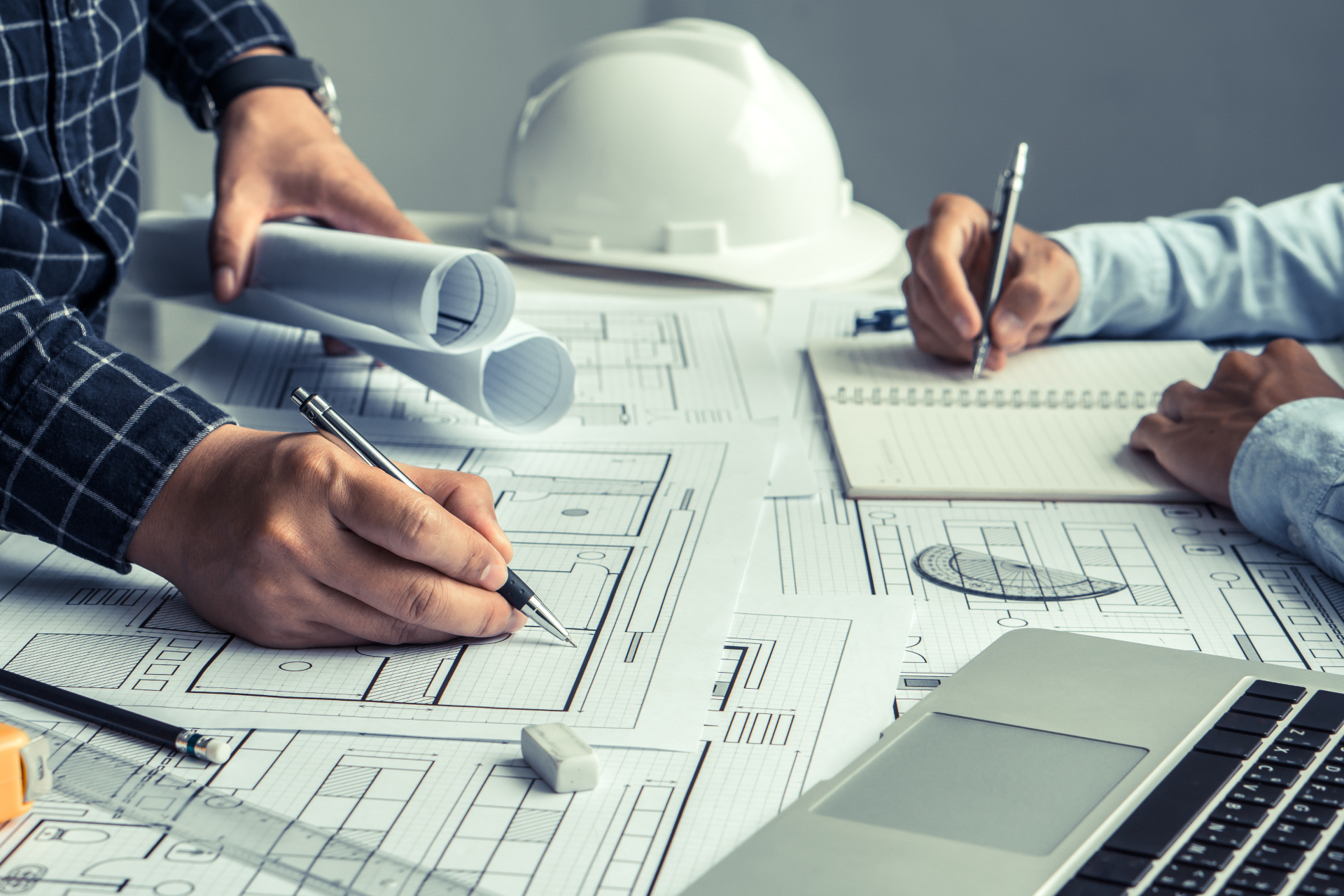
Modern commercial buildings rely on highly complex mechanical, electrical, and plumbing (MEP) systems that must operate as a single, integrated network. HVAC systems regulate comfort and air quality, electrical infrastructure powers everything from lighting to critical equipment, plumbing systems manage water distribution and drainage, and fire protection systems ensure safety and code compliance. All of these systems must coexist within the same structural framework, often within tight ceiling spaces, crowded shafts, and heavily utilized mechanical rooms, while still meeting performance, efficiency, and accessibility requirements.
The challenge is not just designing each system individually but ensuring they all work together without conflict. When coordination is overlooked or delayed during the design phase, these systems inevitably compete for the same physical space. What looks workable on separate drawings can quickly become unbuildable in the field, leading to clashes between ductwork, conduit, piping, and structural elements. These conflicts rarely surface until construction is underway, when they are far more expensive and disruptive to resolve.
This is why professional MEP planning is critical at the earliest stages of a project. Early coordination allows engineers to evaluate the full picture, aligning system layouts, confirming space requirements, and integrating all building systems before construction begins. Instead of reacting to problems in the field, MEP engineers can proactively identify conflicts, optimize routing, and ensure that every system fits and functions as intended.
The result is not just better coordination; it is risk reduction. By addressing potential issues during design, project teams can avoid costly redesigns, minimize change orders, protect construction schedules, and deliver buildings that perform efficiently from day one.
Why MEP Conflicts Happen in Construction
Construction conflicts often occur when different building systems compete for the same physical space. Mechanical ductwork, electrical conduit, plumbing lines, and structural elements must all pass through ceilings, walls, and mechanical rooms. If these systems are designed independently without coordination, conflicts can appear once installation begins.
For example, a large duct run may occupy the same ceiling space planned for electrical trays or plumbing lines. When this is discovered on the jobsite, contractors may need to stop work while engineers revise the design. In some cases, the components already installed must be removed and relocated.
Situations like this can quickly lead to delays, change orders, and increased construction costs.
How Early MEP Coordination Solves These Issues
MEP coordination allows engineers to review and align all building systems before construction begins. During the design phase, mechanical, electrical, plumbing, and fire protection plans are carefully reviewed together to ensure they function within the same space.
This process allows engineers to identify potential conflicts early and adjust system layouts accordingly. Duct routing can be modified, equipment locations can be refined, and electrical pathways can be adjusted so all systems integrate properly within the building structure.
Resolving these challenges during the design stage is far more efficient than making adjustments once construction is already underway.
The Connection Between MEP Design and Energy Efficiency
MEP planning also plays a major role in a building’s long-term energy performance. Mechanical systems, lighting design, ventilation strategies, and electrical infrastructure all contribute to how efficiently a building operates.
Through energy analysis, MEP engineers can evaluate how different design decisions impact energy consumption over time. Factors such as HVAC system sizing, insulation levels, lighting layouts, and ventilation strategies can all influence the building’s energy performance.
By analyzing these elements early, engineers can design systems that balance occupant comfort with long-term energy efficiency.
Reducing Change Orders and Construction Delays
When MEP systems are carefully coordinated during the design phase, construction tends to proceed much more smoothly. Contractors can install mechanical and electrical systems with confidence that the plans have already accounted for spatial limitations and system interactions.
This significantly reduces the likelihood of change orders caused by system conflicts. Fewer design revisions during construction means fewer delays, lower labor costs, and a more predictable project schedule.
For developers and contractors, this level of planning often translates into better cost control and fewer unexpected complications.
Planning Building Systems for Long-Term Performance
MEP design is not just about fitting systems into a building; it is about defining how that building will perform for decades. The decisions made during the design phase directly impact energy consumption, maintenance requirements, system reliability, and the overall cost of ownership long after construction is complete. Poorly planned systems may function on day one, but they often lead to higher operating costs, difficult maintenance access, and premature equipment failure over time.
Effective MEP planning takes a lifecycle approach. Engineers must consider not only how systems are installed, but how they will be accessed, maintained, and adapted as building needs evolve. This includes allocating proper space for equipment, ensuring adequate maintenance clearances, designing for redundancy where necessary, and selecting systems that align with the building’s long-term use. When these factors are overlooked, even minor service tasks can become disruptive and expensive, and system inefficiencies can compound year after year.
A comprehensive approach to MEP design also prioritizes performance and efficiency. Through detailed load calculations, energy modeling, and system optimization, engineers can design mechanical and electrical systems that balance occupant comfort with long-term cost control. The result is a building that not only meets code requirements, but operates efficiently, consistently, and predictably over its entire lifespan.
K2D Consulting Engineers focuses on this level of forward-thinking coordination from the earliest stages of design. By aligning system layouts with architectural and structural plans, while also evaluating energy performance and operational demands, K2D helps project teams avoid costly construction conflicts and long-term inefficiencies.
For owners and developers, this approach delivers more than a smooth construction process, it protects the long-term value of the asset. With careful MEP planning, buildings are easier to operate, less expensive to maintain, and better equipped to adapt to future needs, ensuring reliable performance for years to come.
If you want to avoid costly redesigns, construction delays, and long-term operational inefficiencies, early MEP coordination is critical. Our team at K2D Consulting Engineers works with owners and developers from the start to design systems that fit, perform, and last. Contact K2D today to discuss your project and ensure your building systems are planned right from day one.
Call us at (310) 935-3773 or visit www.K2D.com to learn more.
