
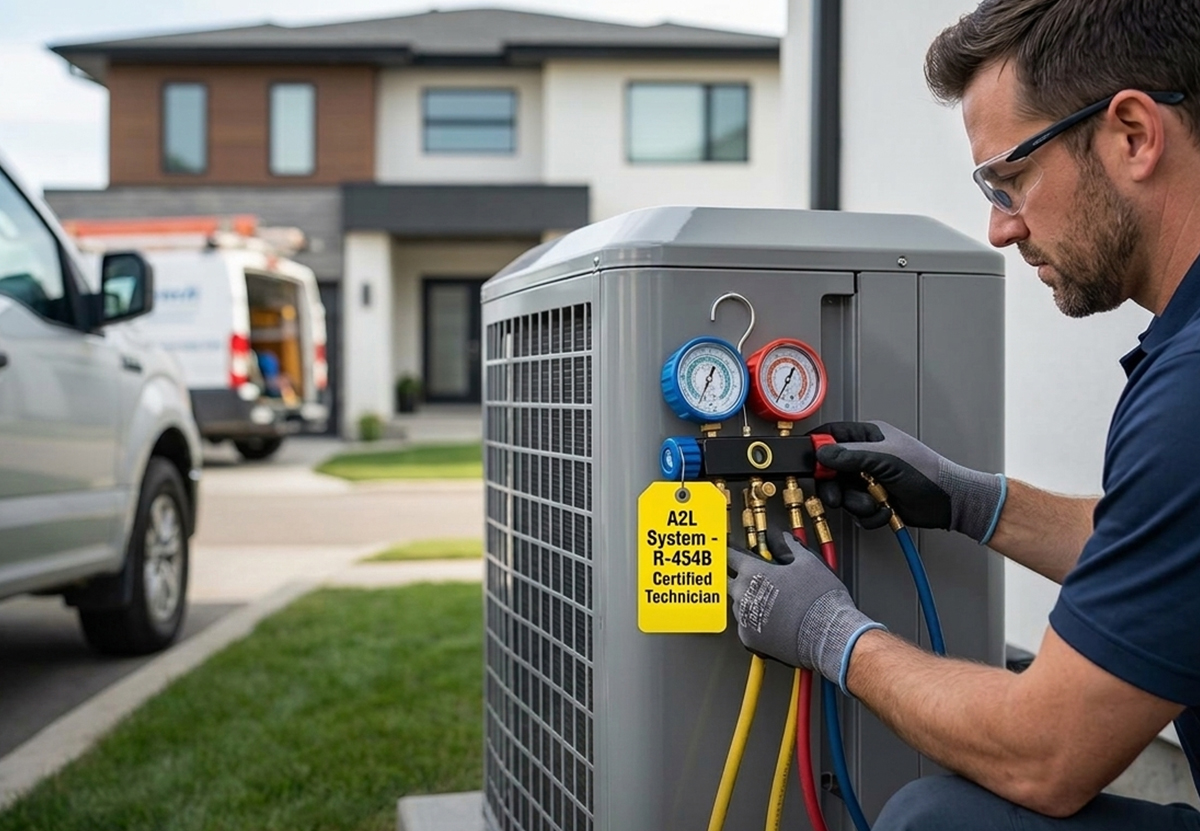
The shift toward A2L refrigerants isn’t just a trend; it’s a global mandate that has redefined the HVAC landscape in 2026. As we phase out high-GWP (Global Warming Potential) substances, you might be wondering: Is this just another regulatory hoop to jump through, or does it actually change how my team operates on a Tuesday morning?
The truth is, it’s both. Understanding the “why” behind this transition is the first step in ensuring your team doesn’t just comply with new regulations, but actually masters them.
Why the Change is Non-Negotiable
We are currently witnessing a massive pivot in environmental policy. The move to A2L technology is driven by a collective need to reduce the environmental impact of cooling systems. By opting for these mildly flammable alternatives, the industry is slashing direct emissions, but this requires a fundamental shift in our technical vocabulary.
What makes A2Ls different from the HFCs we’ve used for decades?
- Lower GWP: They offer a significantly smaller carbon footprint.
- Mild Flammability: Classified as ISO 817 Class 2L, they represent a middle ground between non-flammable and highly flammable gases.
- Efficiency: They often provide better thermodynamic properties, meaning more cooling for less energy.
Staying Ahead of the 2026 Timeline
Are you still waiting for the “perfect time” to update your workflow? In 2026, the grace period for many legacy installations has evaporated. Staying compliant means more than just swapping jugs; it means understanding how these A2L refrigerants behave under pressure and during phase-changes.
If you haven’t yet audited your current project list against the latest EPA and local building codes, you’re essentially flying blind. We recommend focusing on three key areas to keep your team in the lead:
- Chemical Literacy: Does every tech on your team know the difference between an R-454B and an R-32 system?
- Regulatory Awareness: Are you aware of the specific state-by-state mandates that might exceed federal requirements?
- Future-Proofing: Are you selling your customers on the long-term availability of these gases, or are you still installing “dead-end” technology?
By leaning into this shift now, you aren’t just following the rules, you’re positioning your business as a modern authority in a rapidly greening market. The environmental impact of our work has never been more scrutinized, but with the right knowledge, it’s never been easier to turn “compliance” into a competitive advantage.
As we close the chapter on legacy HFCs, it’s clear that 2026 isn’t just a deadline, it’s the starting line for a more efficient, sustainable era in HVAC. Mastering this shift requires more than just new tools; it demands a mindset of proactive compliance and a commitment to safety.
Key Takeaways for the A2L Era
To ensure your team is ready to thrive in this new landscape, keep these core pillars at the forefront of your strategy:
- The Regulatory Reality: As of January 1, 2026, the installation of new residential and commercial systems using high-GWP refrigerants like R-410A is prohibited. Future-proofing your inventory is no longer optional; it is essential for business continuity.
- Safety as a Standard: While A2L refrigerants are only “mildly flammable,” they require specialized handling and a rigorous risk assessment on every job site. Mandatory leak detection systems and spark-resistant equipment are now your primary safeguards.
- Performance Dividends: Beyond compliance, the transition offers a 10–12% boost in energy efficiency. Position this as a value-add for your customers to offset the higher upfront costs of new equipment.
- Certification is the New Currency: With the “repair economy” growing and systems becoming more complex, technicians who are A2L-certified and skilled in advanced diagnostics will be the most sought-after professionals in the field.
Future Outlook: Beyond 2026
The transition to A2Ls is part of a broader journey toward a net-zero future. While A2Ls are the current standard, the industry is already researching ultra-low GWP “natural” refrigerants (like A3 propane) for the next decade. By mastering A2L protocols today, you are building the technical foundation and safety culture necessary to navigate whatever the next generation of cooling technology brings.
The transition to A2L refrigerants is no longer a distant date on a calendar, it is the reality of our daily operations in 2026. While the shift from R-410A brings new challenges in flammability management and updated regulations, it also offers a massive opportunity for those willing to lead. By modernizing your equipment, refining your safety protocols, and investing in continuous training, you aren’t just following the rules; you’re building a more efficient, future-proof business.
As we move forward, remember that your team’s confidence in working with refrigerants is your greatest asset. The industry standards may have changed, but the goal remains the same: providing top-tier service that keeps customers cool and the environment protected.
The A2L era is officially here. The question isn’t whether the industry is ready, it’s whether you’ll be the one to set the new standard in your market.
For contractors and building owners preparing for the A2L era, the right guidance can turn regulatory change into operational advantage. Working with experienced HVAC engineers early in the planning process ensures compliance, safety, and long-term system efficiency.
Partner with K2D Consulting Engineers to design HVAC solutions that meet today’s refrigerant standards while preparing your infrastructure for tomorrow’s technologies.
Connect with our team today at (310) 935-3773 or visit www.K2D.com to start building a safer, more future-ready cooling system.
